What each service actually covers
Ten divisions, one contractor. Below is what we do in each, how we work on site, and what you receive when the job closes out.
AC Repair, Maintenance & Installation
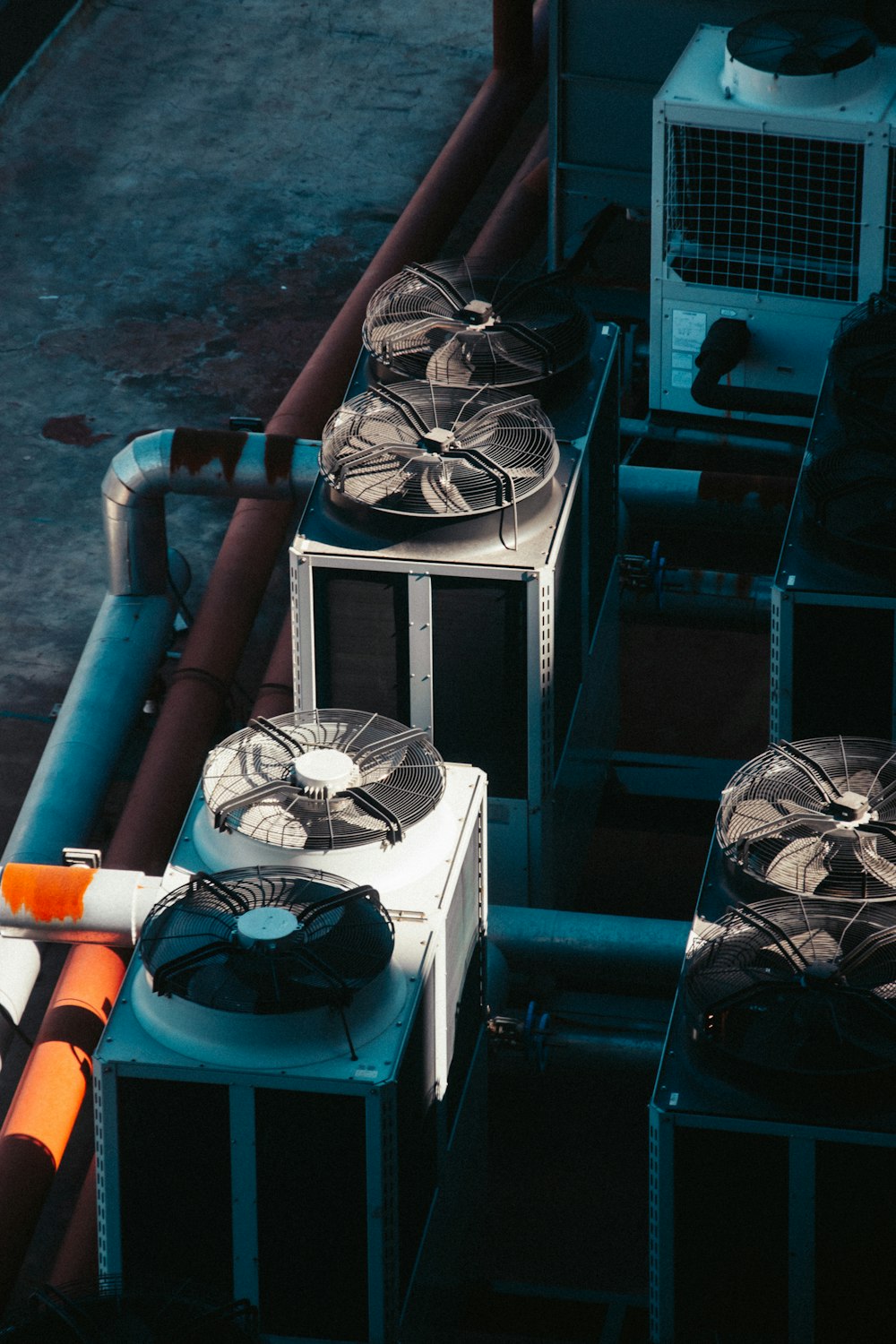
In this climate an air conditioning system runs close to eleven months a year, and almost every failure we are called to could have been caught earlier. We install, service, and repair split, ducted split, package, and VRF systems, and we work on all major brands sold in the UAE.
A first visit starts with measurement rather than a quotation: airflow at the grilles, refrigerant pressures, temperature split across the coil, and the condition of the drain line. That tells us whether you need a repair, a coil clean, or a replacement unit sized correctly for the room — often the real problem, because an oversized unit short-cycles and never dehumidifies properly.
What the work includes
- New installation and replacement, with load calculation and duct sizing before anything is ordered
- Planned maintenance contracts — filter and coil cleaning, drain flushing, gas top-up, electrical checks
- Emergency repair: compressor, fan motor, thermostat, control board, and refrigerant leak tracing
- Duct cleaning and sterilisation, and grille or diffuser replacement where airflow is the complaint
- Chiller and FCU servicing for buildings under facility management
Typical response for a no-cooling call is same day within Dubai. Maintenance visits are scheduled quarterly for homes and monthly for commercial kitchens and server rooms.
Swimming Pool Maintenance & Equipment
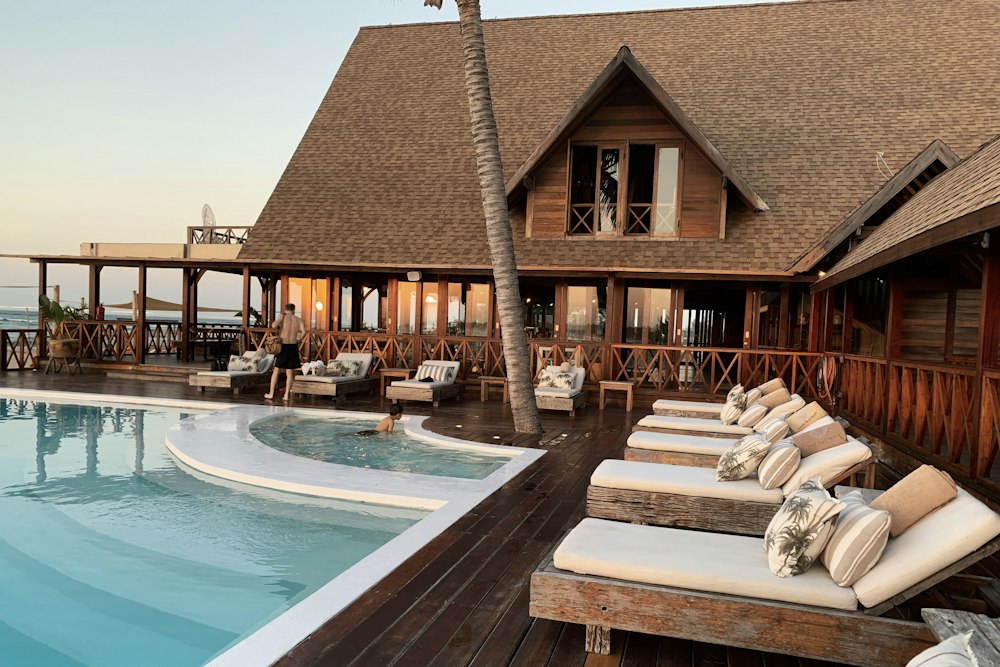
A pool in Dubai loses water to evaporation faster than most owners expect, and chemistry drifts with every hot week and every guest. Our maintenance programmes are built around that: regular visits, recorded readings, and equipment that gets serviced before it fails in August.
We also separate the two things people confuse — a pool that is losing water because of evaporation, and one that is losing it through a failed skimmer joint or a cracked return line. Pressure testing settles it in one visit instead of months of guessing.
What the work includes
- Scheduled cleaning: brushing, vacuuming, skimming, and basket clearing
- Water chemistry — chlorine, pH, alkalinity, calcium hardness and stabiliser, with readings logged per visit
- Pump, filter, and chlorinator servicing; media replacement in sand and cartridge filters
- Leak detection and repair, including pressure testing of suction and return lines
- Equipment upgrades: variable-speed pumps, heat pumps, LED lighting, and automatic dosing
Villas are usually served weekly; shared and hotel pools need two to three visits a week to hold readings inside Dubai Municipality limits.
MEP Construction
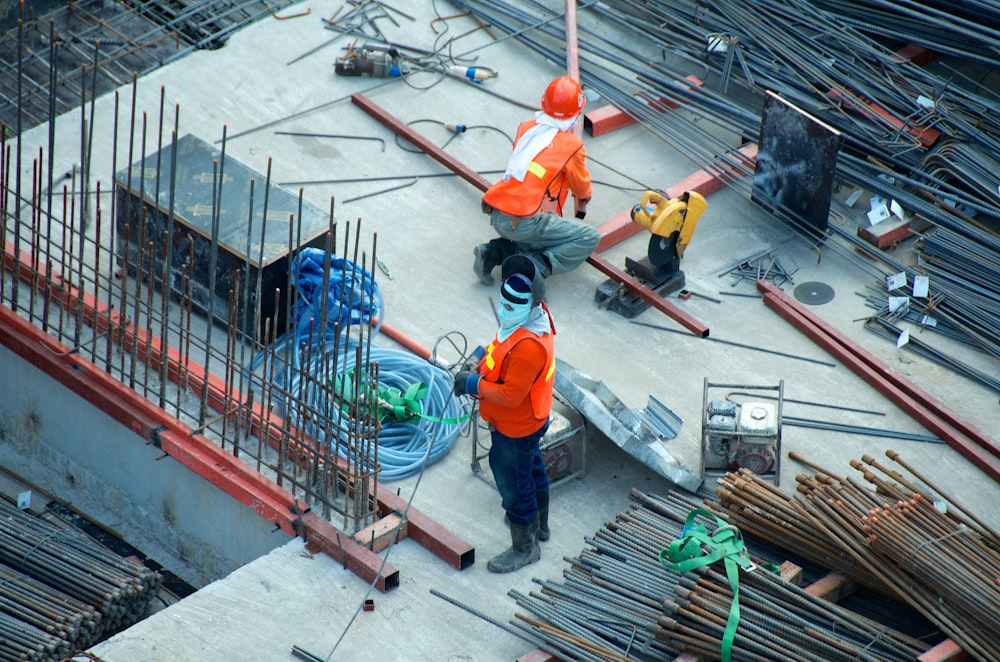
Mechanical, electrical, and plumbing is the part of a building nobody sees and everybody feels. We take MEP packages for new builds, fit-outs, and refurbishments — from shop drawings and authority submission through installation, testing, commissioning, and handover documentation.
Coordination is where these projects are won or lost, so we resolve clashes on drawings before anyone drills. Ducts, trays, and pipe routes are set out against the ceiling void you actually have, not the one on the architectural drawing, which keeps the ceiling height the client was promised.
What the work includes
- Shop drawings, load schedules, and submissions to DEWA, Trakhees, Civil Defence, and free-zone authorities
- HVAC: ductwork, FCUs, ventilation, and controls
- Electrical: containment, wiring, distribution boards, lighting, and small power
- Plumbing and drainage: water supply, waste, vents, pumps, and water tanks
- Fire-fighting and fire-alarm first fix, coordinated with the approving authority
- Testing, commissioning, as-built drawings, and O&M manuals at handover
We work as main MEP contractor or as subcontractor to a fit-out company, and we are comfortable inside a landlord's approval process.
Flooring & Painting
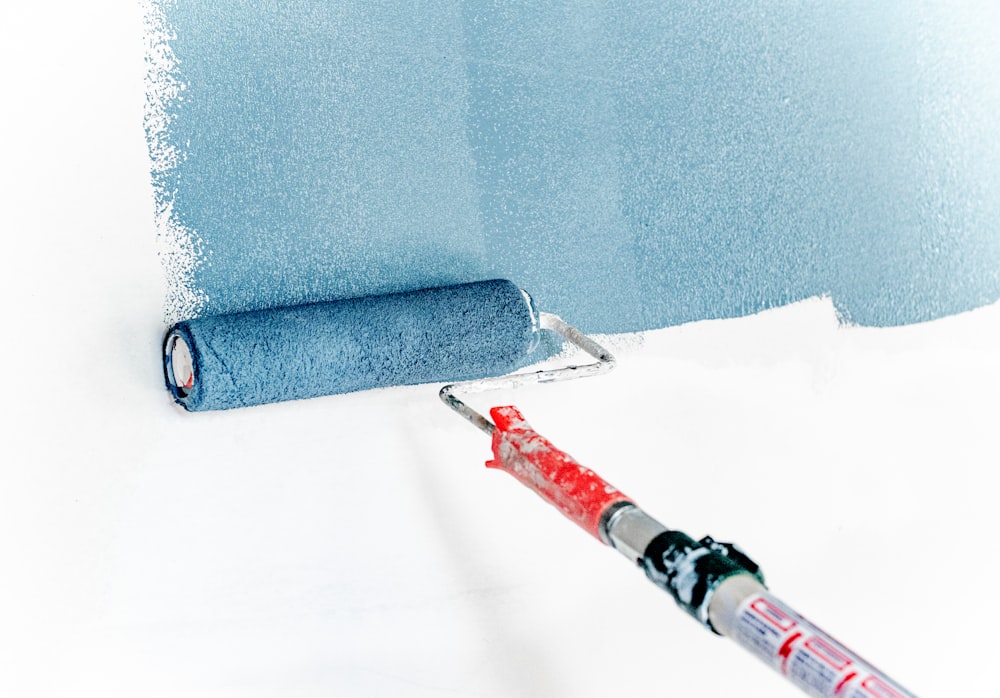
Finishes are judged from a metre away, in daylight, by someone who did not watch the work. That is the standard we prepare for. Most flooring and paint failures trace back to substrate preparation and moisture, not to the material, so that is where our time goes.
Screeds are checked for level and moisture before any vinyl or timber goes down. Walls are filled, sanded, and primed before the first coat, and we agree the sheen level on a sample panel on site rather than from a colour card, because sheen decides how flat a wall looks once the lights are on.
What the work includes
- Ceramic, porcelain, and marble tiling, including polishing and crystallisation of marble
- Vinyl, LVT, laminate, and engineered timber over levelled and moisture-tested screeds
- Skirting, thresholds, and movement joints detailed rather than improvised
- Interior painting: filling, sanding, priming, and two finish coats in the agreed sheen
- Exterior painting with UV- and heat-resistant systems suited to Gulf exposure
- Waterproofing to wet areas and balconies before finishes are laid
Occupied homes are worked in phases so you keep a usable room, and we protect adjacent finishes rather than cleaning them afterwards.
Aluminium & Wooden Windows and Doors
A window has two jobs here: keep heat and dust out, and keep working after ten thousand cycles. We fabricate and install aluminium and timber windows, doors, partitions, and curtain-wall sections to measured site dimensions rather than nominal openings.
Glass specification is part of the conversation, not an afterthought: double-glazed units with a low-e coating cut solar gain noticeably on west and south elevations, and laminated glass is the sensible choice at low level and around pools. Thermally broken profiles are worth it where a room is glazed on two sides.
What the work includes
- Site survey, fabrication, and installation of aluminium windows, sliding doors, and screens
- Solid and veneered timber doors, frames, and architraves, including fire-rated door sets
- Glass partitions, shopfronts, and curtain-wall sections
- Double glazing, low-e and laminated glass, and thermally broken profiles
- Ironmongery, closers, and locks supplied and adjusted on handover
- Replacement of failed gaskets, rollers, handles, and misted glazed units
Every opening is sealed and water-tested; a window that passes a hose test will pass a February storm.
Water Pipes & Plumbing
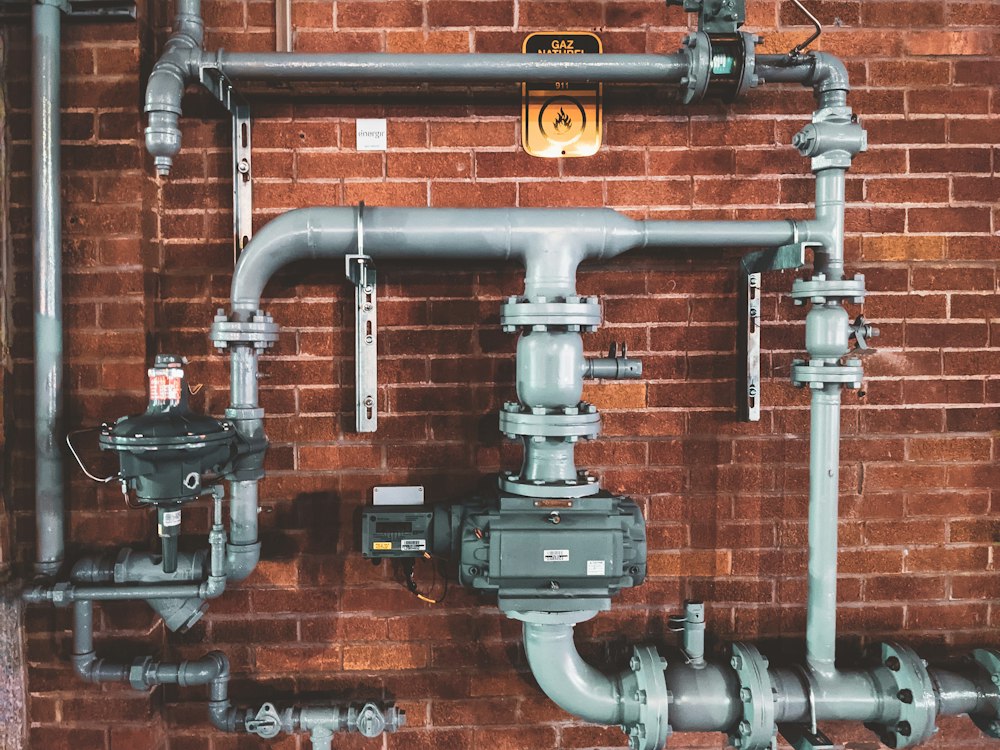
Plumbing problems are rarely where the stain is. We trace them properly — with moisture meters, acoustic listening, and pressure tests — and open the smallest amount of finish needed to reach the fault. It costs less than replacing a wall of tiles that never had a leak behind it.
On new work we build for the water here: hard water shortens the life of heaters and cartridges, so we set pressure correctly, fit isolation valves where they can actually be reached, and recommend softening or filtration where scale is already visible on the fittings.
What the work includes
- Water supply and drainage pipework in PPR, uPVC, and copper
- Leak detection and repair, including slab and concealed-pipe leaks
- Blocked drain clearing, jetting, and CCTV survey of drainage lines
- Water heater supply, installation, and replacement; pumps and pressure sets
- Complete bathroom and kitchen fit-outs, sanitaryware and mixers
- Water tank cleaning and disinfection, and filtration or softening systems
Emergency call-outs for burst pipes and major leaks run 24/7 across Dubai.
Electrical Works
Electrical work is judged by what does not happen: no nuisance tripping, no warm sockets, no board that nobody can read. We wire, extend, and repair domestic and commercial installations to UAE wiring regulations and DEWA requirements, and we leave a schedule on the board so the next person knows what each way feeds.
Where a circuit keeps tripping we find the cause rather than upsizing the breaker. Thermal imaging on a loaded board shows a loose termination in seconds, and loose terminations, not faulty cable, are behind most of the failures we attend.
What the work includes
- New wiring, rewiring, and circuit extensions in conduit or trunking
- Distribution board supply, upgrade, and labelling; RCD and RCBO protection
- Lighting design and installation, including dimming and external lighting
- Power distribution, isolators, and supplies to plant and kitchen equipment
- Fault finding, earth and insulation resistance testing, and thermal imaging
- Generator and UPS connections, and DEWA-compliant inspection support
Test results are issued in writing after every installation, not on request.

Network Installation & Maintenance
Most offices that complain about slow internet have a cabling problem, not a bandwidth problem. We install structured cabling that is tested and certified link by link, so when something does go wrong the fault can be isolated in minutes instead of argued about.
Wireless is designed the same way. A survey after installation tells you where coverage actually falls off, which is usually not where the plan said it would — concrete cores and glass partitions decide the answer more than access point count does.
What the work includes
- Cat6 and Cat6A structured cabling, patch panels, and certified link testing
- Fibre backbone between floors and buildings, with termination and testing
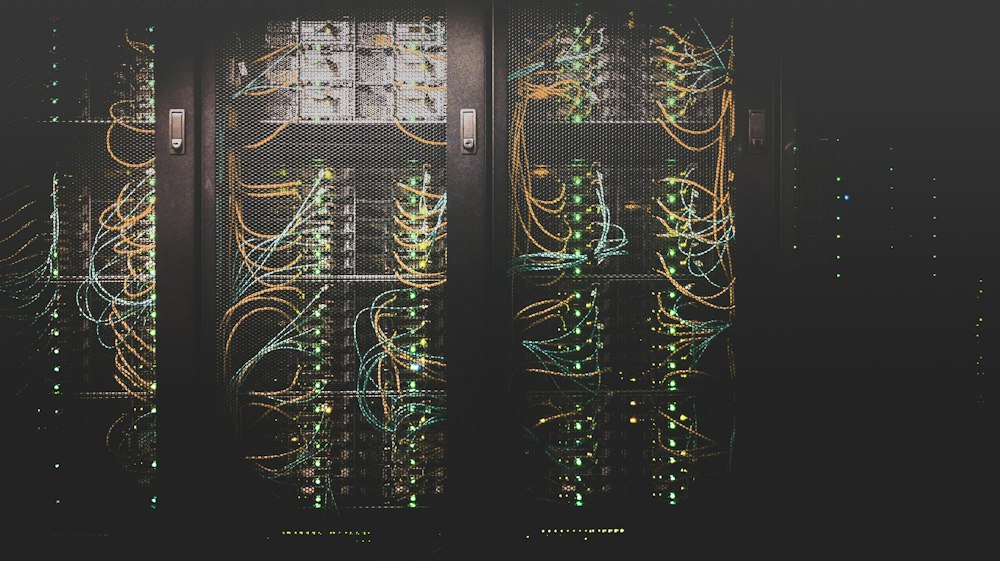
- Server and comms room build-out: racks, power, cooling, and cable management
- Wi-Fi design, access point installation, and post-installation coverage survey
- CCTV, access control, and intercom cabling and commissioning
- Ongoing maintenance, moves and changes, and documented port schedules
Every job is handed over with labelled outlets and a port schedule, which is what makes the next change cheap.
Elevator Maintenance & Repair
An elevator is the one piece of plant in a building that carries people, so its maintenance record matters as much as its condition. We service passenger, home, and goods lifts on planned visits, attend breakdowns, and carry out modernisation where a unit is sound mechanically but dated in control and ride quality.
Most callouts we attend are doors — sensors, rollers, and alignment — and doors are also where passengers form their opinion of a building. Getting door operation right removes the majority of complaints and most of the entrapment risk.
What the work includes
- Planned preventive maintenance with a written report each visit
- Breakdown attendance and passenger release procedures
- Door operator, sensor, roller, and guide-shoe repair and adjustment
- Safety testing: brakes, overspeed governor, buffers, and emergency communication
- Modernisation of controllers, drives, car interiors, and landing fixtures
- Support for annual inspection and authority compliance records
Maintenance contracts include emergency response terms in writing, because response time is the part that matters at 2 a.m.

Snagging & Defect Inspection
A snagging inspection is worth doing while someone else is still liable for the defects. We inspect before handover and during the defect liability period, and we report in a format a developer's contractor can act on: location, item, evidence, and the standard it fails against.
Because we build MEP ourselves, we open more than the finishes. Ceiling access panels, drain gradients, board terminations, AC airflow and drain falls — the expensive defects sit behind the plaster, and a report that only lists paint marks is not protecting you.
What the work includes
- Pre-handover inspection with a photographic, room-by-room defect schedule
- MEP checks: AC performance and drainage, water pressure, drain falls, electrical testing
- Finishes, joinery, glazing, waterproofing, and external works
- Moisture and thermal imaging where a defect is suspected but not visible
- Re-inspection after rectification, with items closed out individually
- Defect liability period inspection before your warranty expires
Reports are issued within 48 hours of inspection, in a table you can send straight to the developer.
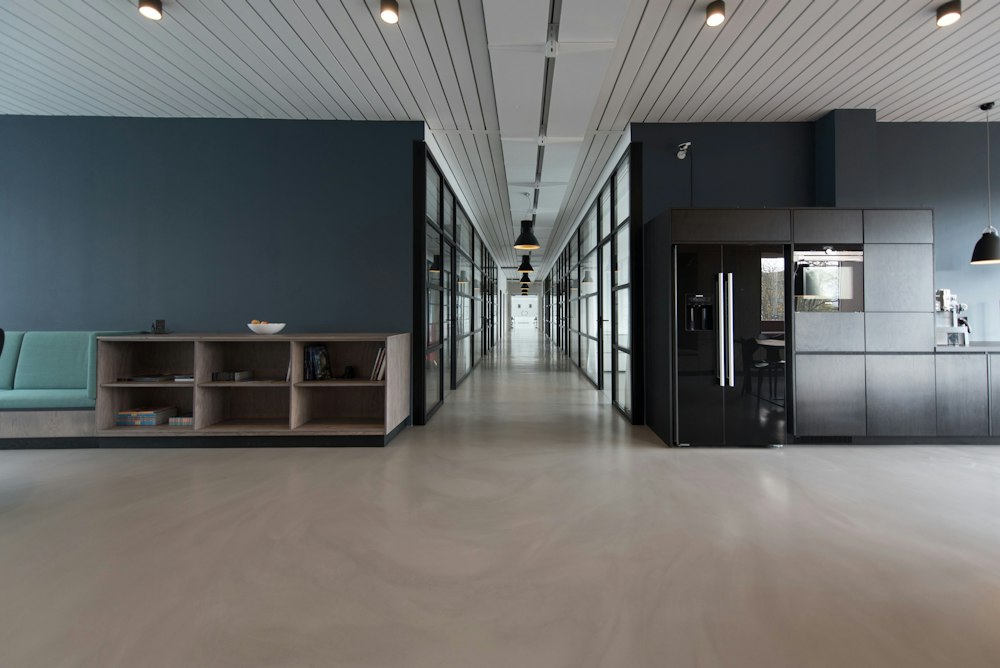
One contractor, ten divisions, one point of responsibility
Najmat Al Zabadani Technical Services LLC is a Dubai-based technical services and facility management contractor. We hold the trades that most buildings need in-house — air conditioning, electrical, plumbing, pools, finishes, glazing, networks, and lifts — which means a client with three problems has one number to call and one company answering for the result.
That structure is the reason clients stay. A villa owner who calls about a leaking AC drain often needs a plumber and a painter behind the technician; a fit-out client needs MEP, flooring, and glazing sequenced rather than merely booked. Holding those trades together removes the gaps where projects normally slip.
How we work
- Site visit and measurement before quotation, so the price does not move later
- A written scope that says what is included and, just as usefully, what is not
- One supervisor accountable per project, reachable directly
- Materials specified by brand and grade in the quotation
- Test results, as-builts, and warranty documents handed over at completion
Licensed and insured in the UAE. Certified engineers and trade-tested technicians. Emergency response 24/7 across Dubai, and project work throughout the Emirates.